
You have to pay attention to these things


Autumn is coming - that's changing
Autumn is a fantastic season with its wealth of colours, clear air and light moods: for hiking, cycling, relaxing. However, there are cheaper, simpler seasons for driving.
Numerous challenges await the driver in autumn: wind, rain, fog, fallen leaves, the crossing of game and the sun. Long journeys, for example during the autumn holidays, are particularly challenging.
It is therefore important to adapt to these changed conditions in good time in order to reach your destination safely. In autumn, an anticipatory driving style pays off in particular. You can find out how best to prepare your car and what you should pay attention to in the following CarCoach tips.
Tip #1
Slow down and keep your distance
Since the days get shorter in autumn and the weather is colder and wetter, you have to be extra attentive in traffic. Darkness, rain and fog deteriorate visibility considerably. To be safe on the road, you should switch on the dipped headlights early, because daytime running lights are usually not enough; it often illuminates only the front, while the rear remains in the dark.
Damp roads and leaves also require caution, as they increase braking distances. Leaves can also cover potholes or stones. Also make sure to clear the ventilation shaft of your car of leaves so that the windshield does not fog up.
Especially in the autumn months, you should always be prepared for sudden changes in the weather and surprises at the wheel. It is therefore particularly important to keep sufficient distance from the vehicle in front. A greater distance gives you more time to react if an obstacle suddenly arises or the traffic situation changes. Also make sure to increase the distance especially in bad weather conditions.
Tip #2
Beware of game
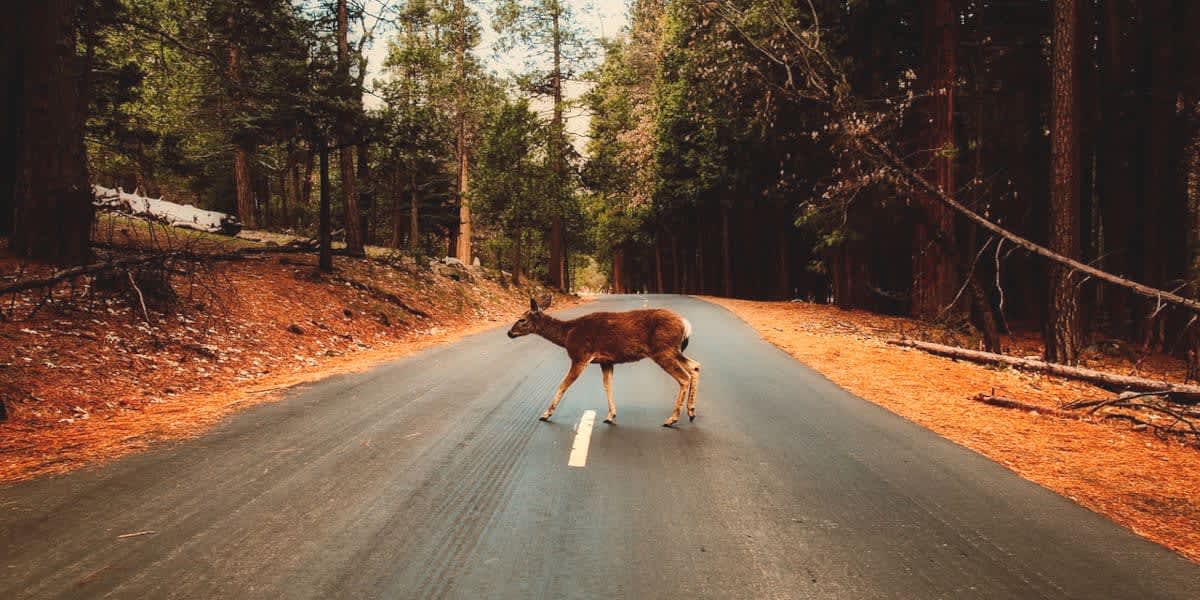
Autumn is the season when game crossing is particularly common. Most accidents occur in the evening hours and early morning, especially in forest and field areas, where wild animals often stay. Pay attention to wildlife crossing signs and not only drive more slowly, but also pay extra attention.
If you see a wild animal on the side of the road, dim the high beam and honk. This way, the animal is not dazzled and is more likely to disappear from the road. If an unavoidable collision occurs, avoid emergency braking or uncontrolled swerving, as this can lead to major damage. Only brake hard when there is no vehicle behind you.
If a collision occurs, stay calm. Turn on your hazard lights and first secure the accident site. Take care of any injuries and call the responsible forestry department or the police. If you don't have a local number, you can also call 110.
Tip #3
Keep a clear view: Good light & fresh windshield wipers
When driving through the autumnal landscape, you always have to expect poor light conditions. The days are getting shorter quickly, and the sun is losing power, creating ideal conditions for haze and fog. In order to be safe on the road, it is important to pay attention to your vision.
To do this, you should first check the windshield wipers and replace them if necessary so that they work reliably even in wet and dirty conditions. Also, make sure that the windshield cleaning fluid is fresh and sufficient to ensure a clear view. The headlights are also happy about a thorough cleaning before departure so that they shine optimally.
At this time of year, high-quality headlights such as xenon or full-LED headlights are particularly beneficial. They provide bright light that doesn't dazzle and automatically adapt to conditions, even in dense fog.
In addition, leaves, mud and dirt can quickly impair visibility in autumn. Therefore, make sure to clean your car regularly, especially the windows and headlights. Clean vehicle visibility is especially important at dusk and in low light conditions.
Tip #4
Change tyres in good time
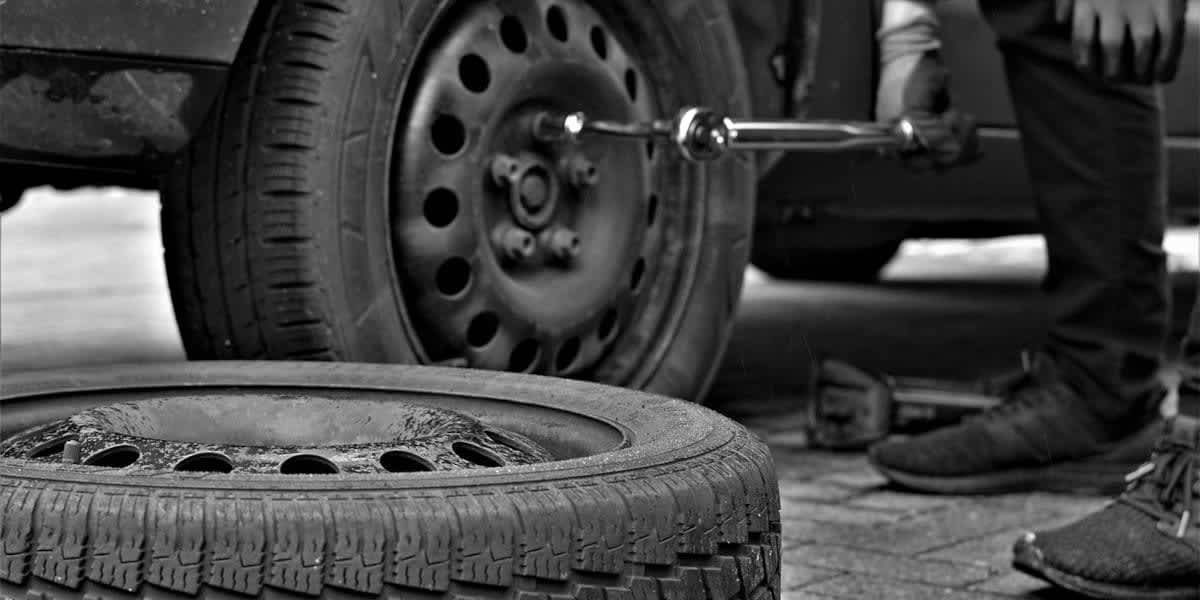
For winter tires, the well-known rule of thumb "O to O" applies – from October to at least Easter. Even if there are rarely sub-zero temperatures in October, this rule makes sense. Temperatures of 3 °C or less can occur, especially at night, which can cause slippery conditions. Winter tires have a softer rubber compound that provides better grip than summer tires, even in mild temperatures. This improves cornering stability and shortens the braking distance on wet roads or leaves.
Since changing tires affects most drivers, you should make an appointment at the workshop in good time to replace your summer tires with winter tires. However, there is no general obligation to use winter tyres in Germany and most neighbouring countries.
Tip #5
Winterize your vehicle
To make the car fit for the winter, it is usually not enough to take care of winter tires. It is almost as important to mix the windshield wiper fluid with an antifreeze. Otherwise, the windshield wiper system threatens to become engaged, which can lead to a complete loss of visibility in winter. The coolant should also be checked on this occasion.
Furthermore, it is advisable to check whether the usual winter utensils are in the car. These include an ice scraper, a hand brush, a windshield sponge, if necessary also a door lock de-icer and a windshield cover. In particularly wintry areas, snow chains, a snow shovel, but also flashlights and blankets can be relevant for emergencies.
Tip #6
Use winter diesel
If you rarely drive your car and don't refuel often, you should think about refilling your tank as a diesel driver. From October, petrol stations usually switch to transitional diesel, and winter diesel is usually offered from mid-November. These special types of diesel are formulated in such a way that they offer higher resistance to cold. Conventional diesel can crystallize at temperatures around freezing, which can lead to problems.
Tip #7
Take breaks
In order to reach your destination safely and relaxed, you should take regular breaks. A sensible rule is to take a 15-minute break every two hours. Use this time to exercise, have a drink or have a small snack. This way you can recharge your batteries and restore your concentration. This helps immensely, especially when driving in autumn.